Now here’s a beautiful book cover, and I’m sure you don’t have to be as biased as me to agree.
It’s a privilege to have had an early look at this gorgeous debut.
Get the skinny at Picador’s page for Madigan Mine

Now here’s a beautiful book cover, and I’m sure you don’t have to be as biased as me to agree.
It’s a privilege to have had an early look at this gorgeous debut.
Get the skinny at Picador’s page for Madigan Mine
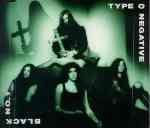
It seems it’s true. Blabbermouth has confirmed the rumour that Peter Steele, lead singer of Brooklyn band Type O Negative, is dead. It’s a damn sad day for Gothic rock.
Here’s a clip of the very cool Black No1: check out Pete’s amazing voice. Damn.
A recent blog post from Mil about Brisbane band The Horse Darkly led to this sweet cover of Suzanne Vega’s Luka, which got me thinking about other neat cover songs. I’ve got a bit of a love-hate relationship with these critters: sometimes they can make you look at a song in a totally different light, sometimes they seem to pay true homage, and other times they just suck.
Here are 13 darkly tinged standouts:
Nine Inch Nails, Dead Souls (Joy Division): if you’re gonna cover JD, you’ve gotta do it with soul, and Trent Reznor amps it up in this whiz cover from The Crow soundtrack.
And the original! (amazing, isn’t it, how majesty can surpass such poor vision and sound…)
Concrete Blonde, Everybody Knows (Leonard Cohen): a gorgeous song gains from Johnette Napolitano’s smoky voice and Jim Mankey’s guitar. See also the band’s cover of Bob Dylan’s Twist of Faith. Johnette offers two superb covers (of The Scientist and All Tomorrow’s Parties) on her solo album, Scarred.
Inkubus Sukkubus, Paint It Black (Rolling Stones): witchy Gothic synth-rock puts a new shade on the Stones’ ode to depression.
The Shroud, Alice (Sisters of Mercy): Goth band covers Goth band, with strings!
Marilyn Manson, Sweet Dreams (Eurythmics): take a great pop song and cast it darkly — it’s a tactic that works well for Manson, who has also done the business on Tainted Love.
Type O Negative, Summer Breeze (Seals and Crofts): another Gothic take on an otherwise breezy little ditty.
Johnny Cash, Hurt (Nine Inch Nails): Cash puts his own crown of shit on the NIN tune. He repeats the dose on Depeche Mode’s Personal Jesus.
Rammstein, Stripped (Depeche Mode): Want to put a Germanic twist on the DM classic? Just add drums and guitars. Loud ones.
With Daybreakers (review) and The Wolfman (review) chewing up the big screen, here’s my pick of five vampire and five werewolf movies that are ahead of their respective packs. Feel free to chip in:
1. Near Dark (1987): Director Kathryn Bigelow takes a vampire gang on the road – the v-word is never mentioned – and mayhem ensues, with help from a superb cast. Tangerine Dream provide the soundtrack.
2. Dracula (1931): Bela Lugosi helps imprint Bram Stoker’s Dracula as the archetype for decades to come, with gorgeous atmospheric cinematography.
cf Dracula (aka The Horror of, 1958) in which Christopher Lee adds his indelible stamp on the character in the first of Hammer’s long series of Dracula flicks.
3. Nosferatu (1922): A German silent film adaptation of Bram Stoker’s Dracula, not suffering at all from copyright conflict with Stoker’s widow.
cf Nosferatu The Vampyre (a 1979 riff by Werner Herzog with Klaus Kinski in the title role: glorious!) and Shadow of the Vampire (2000) in which John Malkovich and Willem Dafoe have far too much fun bringing a behind-the-scenes tale of the making of Nosferatu to amazing life.
4. The Hunger (1983): Whitley Strieber’s novel is made all the more classy with Susan Sarandon, Catherine Deneuve and David Bowie caught in a sunlit net of love, blood and death, beautifully directed by Tony Scott.
5. Vampire Lovers (1970): Ingrid Pitt is sensational as Camilla in this Hammer take of Sheridan Le Fanu’s classic lesbian love story.
cf other Hammer standouts Vampire Circus (1972, in which a travelling circus comes to town) and Twins of Evils (1971, a sexy tale of a vampire seeking to tempt — you guessed it, twins in diaphanous gowns — to his way of life. er, death).
* You’ll notice my cop-out with the ‘see alsos’: just couldn’t decide on five from such a vast field that includes worthies such as Interview with the Vampire and Lost Boys. Maybe I should’ve gone for a top 10.
1. The Wolfman (1941): Lon Chaney Jr does for the werewolf what Bela did for the vampire.
cf The Curse of the Werewolf (1961), another ‘traditional’ man-becomes-monster scenario given gravitas by Oliver Reed (who quite possibly was a werewolf; he was certainly a wild man!).
2. The Howling (1981): Psychiatry meets the beast within. No guesses as to who wins in this stylish attempt to move the werewolf into modern society.
cf Wolf (1994) with Jack Nicholson and Michelle Pfeiffer for a similar attempt with a great latrine moment.
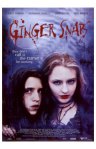
3. Ginger Snaps (2000): Puberty is truly blue for two sisters caught up in the change. Two sequels are also notable for actually taking the story somewhere new.
4. The Company of Wolves (1984): Neil Jordan directs Angela Lansbury in a fairy tale about men who are hairy on the inside. You’ve been warned, Red!
5. An American Werewolf in London (1981): great soundtrack, cool corpses and Jenny Agutter. What’s not to like in this fine balance of pathos and humour?
* While we’re in shapeshifter mode, feline-lovers should head over to Cat People, both the 1942 original and the 1982 remake for some quality time.
Trivia bonus: David Bowie was a vampire in The Hunger and contributed this lovely song to the 1982 Cat People soundtrack.
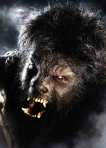 I’m halfway through watching The Wolfman — the new one, with Benicio Del Toro going all fur and fangs — and I’m thinking, I’m sure I’ve seen this movie before, but it was in black and white. I wonder if this new effort shouldn’t have been as well, just to make the point.
The delight (and dogged duplication) in the premiere werewolf movies of yore is clear in this effort, directed by Joe Johnson. Lots of moon shots, lots of foggy forests and silhouettes. Gypsies. Mobs with flaming brands. The village tavern that falls silent when the stranger enters. And absolutely nothing new.
But don’t let that put you off. It’s a solid, if uninspiring and strangely uncompelling, effort. The love story is such an undeveloped and fleeting thing, the tension between father and prodigal son so underplayed, the concentration on werewolfy rampaging with lots of gibbets so great, that it’s hard to get into the characters much at all.
The music, by reliable Danny Elfman, isn’t always used to best advantage, either. It’s not bad, it’s just used out of context at times, trying to make tension and jump! surprise! where there doesn’t need to be any.
But my goodness, there are other times when the suspense does kick in, and all those stereotypical Gothic scenes are portrayed in full cinematic glory: ruins, sweeping staircases, misty forests, gibbous moons through the spindly branches of trees. There’s even a decrepit, sprawling mansion in need of a serious cobwebbing and sweeping, complete with family tomb (I wouldn’t have been gobsmacked to see a headstone out the back with maybe Karstein written on it, or Usher, or Ligeia). Some not-too-shocking family secrets. Oh yum!
There are some adorable scenes set in old London town, and the whole is enlivened by Hugo Weaving as a Scotland Yard detective with a fascinating past, regrettably only mentioned in passing. I almost wish we’d seen more of his story: the echo with his previous, infamous case would have been delicious. And spare a thought for poor Art Malik, hidden in a beard as a servant with more silver bullets than he has brooms (neither of which he proves much use with).
I wouldn’t be cleaning my Universal and Hammer classics from the shelf to make way for this one, but lovers of that kind of werewolf movie will find something to appreciate in this recycled homage.
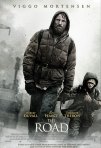
Fans of Cormac McCarthy’s post-apocalyptic novel The Road can breathe easy — the movie is a damn fine adaptation.
In fact, it’s probably one of the best that I’ve seen.
The mood of the book is perfectly captured on-screen, thanks to wonderful sets depicting the ruins of civilisation and the death of nature. Abandoned cities, broken roadways littered with wrecked cars, devastated forests, wildfires and electrical storms all show the grim future. The actual event is barely mentioned, no blame apportioned. It just is.
As in the book, the movie does not provide a strict narrative journey, but rather a series of vignettes marking the progress of a father (Viggo Mortensen) and son (Kodi Smit-McPhee) through this blasted landscape, with flashbacks to the father’s life with his wife (Charlize Theron) before, during and after the calamity fell.
On the road, father and son have to dodge cannibal gangs while they head south, every day a search for warmth, shelter and food. Other stray travellers they meet are viewed with suspicion, providing a crux for the film’s thematic centre.
I felt a little let down by the conclusion in the book, but the movie, while changing it only slightly, manages with deft subtlety to make it work, and work brilliantly. Likewise there are some minor changes to events in the novel, but none are jarring, and all work to enhance the on-screen story.
There were some likely lads in our theatre who might have been expecting some kind of Mad Max/Cyborg storyline, and I suspect by their chatting and quick departure that they left disappointed by this thoughtful portrayal of the hopelessness and drudgery of life on the road. Or maybe they’d got the wrong cinema and only stayed in the hope of Theron getting her kit off — more disappointment, there, boys. But my goodness, doesn’t she just chew up the camera?
The casting (including Guy Pearce and Robert Duvall) was uniformally superb, some actors almost indistinguishable underneath their soot and grime and filthy teeth.
A soundtrack by Nick Cave and Warren Ellis enhanced the tone without being overly dramatic or sentimental, the camera work was striking without being flashy; there was nothing not to like about this movie.
Director John Hillcoat has delivered an amazing reading of McCarthy’s novel that both readers and non should enjoy.

Gargoyles in Brisbane? Who’d a thunkit!
Poor old Brissie aka Brizvegas aka my former hometown of the past 11 years is often criticised for not being city enough, as if a million souls and traffic snarls aren’t requirement enough. As if being a city is something to be desired, some badge of achievement. Hm.
Anyway, on a recent return, I was chuffed to find gargoyles adorning a fine old stone building on George Street — it’s a key administration road, lots of suits and government offices, which is probably why I’ve not noticed this edifice before, or at least not got around to taking pictures. This dude has a buddy, too, a smiling companion keeping an eye on the passersby, and another couple of buddies as well, watching over the front door and windows.
UPDATE: Here is some information about these ‘devils’ at the Government Printer building
There’s another building, a self-proclaimed manor or somesuch, with a fine array of lions and griffins, but alas, my photographic eye didn’t quite roam that far on this trip, though I did snap the weather-beaten cat aloft on a building near my gargoyle find. There might be others? Anyone?
The point of this being, if a place has got theatres and cafes and more ‘foreign’ dining options than a Chinese takeaway and a Pizza Hut, AND gargoyles, honestly, what more do you need?? Anyway, good on ya, Brissie, for keeping the gargoyles aloft. Lord knows you’ve lost enough of your architectural heritage. Long may these dudes reign!
Further to my musings about the nature of horror, as a literary genre, as evidenced at the recently announced and fabulously conducted Aurealis Awards in Brisbane, the judges’ reports are now up at the awards site. I’m still grappling with the horror content of the winning novel, I confess. Maybe it’s because I grew up in the bush, but I don’t share the sense of menace supposedly posed by the landscape in Red Queen at all. And I wasn’t aware of the characters reacting that way. Why would country boys respond like that? The only thing they were frightened of in the Australian bush was other people — in this case, plague carriers. I think it’s very cool that a book like this can nudge ahead of a field with comparatively quite strong horror tropes; it certainly broadens the horizon. Anyway, food for thought, and I’ll continue to digest. (I certainly concur with other comments in this report, though not all.) (My musings shouldn’t detract in any way from the decision, by the way, nor the fact that Red Queen is a solid debut novel with plenty to recommend it; that’s not the purpose of this blog. I write ‘horror’ stories, call them what you will. I’m always interested to know what other people think of as horror.)
With Daybreakers about to hit the big screens, here’s a quick round-up of other Australian vampire movies:
Barry McKenzie Holds His Own, 1974. Directed by Bruce Beresford. Stars Barry Crocker, Barry Humphreys and Donald Pleasance.
: Barry, reprising his role from The Adventures of (1972), must save Dame Edna Everage from European Count von Plasma.
Bloodlust, 1992. Directed by Jon Hewitt and Richard Wolstencroft. Stars Jane Stuart Wallace, Kelly Chapman and Robert James O’Neill. Windhover Productions. [Videorecording: VHS]
: A low-budget vampire heist flick with cult appeal (banned in the UK) in which quasi vampires encounter gangsters and religious extremists on the streets of Melbourne.
Outback Vampires, 1987. Directed by Colin Eggleston. Stars Richard Morgan, Angela Kennedy and Brett Climo. Somserset Films. [Videorecording: VHS].
: A quasi-comic take along the lines of Rocky Horror Picture Show in which three travellers find themselves hosted by vampires in an isolated mansion near a decrepit outback town.
Queen of the Damned, 2002. Directed by Michael Rymer. Stars Aaliyah and Stuart Townsend. Los Angeles: Warner. [Videorecording: DVD].
: An American movie adapting two Anne Rice books, The Vampire Lestat and Queen of the Damned. Shot in Victoria (substituting for the US and UK) with numerous Australians in the supporting cast. (My account of being an extra on the film is here.)
Thirst, 1979, directed by Roy Hardy. Stars Chantal Contouri and Shirley Cameron. FG Films. [Videorecording: DVD, Umbrella].
: The descendant of Elizabeth Bathory is seduced by a blood-drinking cult using brainwashing techniques, causing hallucinatory footage.
This list of movies is taken from a survey I made of Australian vampire stories published before 2007. It’s comprehensive but not complete. Additions are welcome.

Emilie Autumn is heading for Australia for what is reportedly her first Antipodean tour – reason to celebrate for those who like their piano and violin served with lesbian pantomime, burlesque, circus and a good dollop of Victoriana, amongst other things.
I caught her act in San Francisco in October 09 and found it a hell of a lot of fun. EA’s Opheliac (there are several versions of the 2CD title, with catchy songs such as Dead is the New Alive, Liar and I Want My Innocence Back) has been a best-seller at Australia’s Ground Under Productions store, qualifying her as a bit of a goth darling, but the crowd at the charming Great American Music Hall showed plenty of non-goth/emo/alternative folks getting into the show, or at least hanging out for the sexy stuff.
EA has inculcated a strong following not just of her own brand of musical performance, but of her sideshow as well, with each of her gal pals drawing a fan base. There was hot competition at the SF gig to lock lips with Naughty Veronica, for instance.
There was slightly too much banter for comfort at the gig I saw, but I can’t see Emilie Autumn disappointing. One word of advice: if you don’t want to be the subject of a rant, don’t yell for her to take her gear off. I’m sure the ears of the unfortunate voyeur in the audience, a girl since you asked, must still be ringing.
Autumn plays Brisbane, Sydney and Melbourne in March.
Here’s a neat doco about the current tour:
In a similar vein, it’s worth pointing out that the erstwhile Amanda Palmer is hitting Australia again in February and March. Somewhat less histrionic than EA, but with a strong theatrical element thanks to the performances of the Danger Ensemble, Palmer put on one of the best shows I saw last year. Recommended.